



Cold and Flu Season Preparedness Guide for Patients and Caregivers
A practical seasonal guide for patients and caregivers covering vaccination conversations, home supplies, hygiene routines, rest, caregiver backup plans, and when to seek...
Cold and flu season rarely announces itself with a single dramatic day. It arrives as a scratchy throat, a child home from school, a cancelled plan, or a caregiver trying to keep the household running while someone rests. Preparedness is less about buying everything and more about making the next few weeks easier to manage. A few routines, set up before anyone feels unwell, can reduce the scrambling later.
Set a Seasonal Routine Before Symptoms Appear
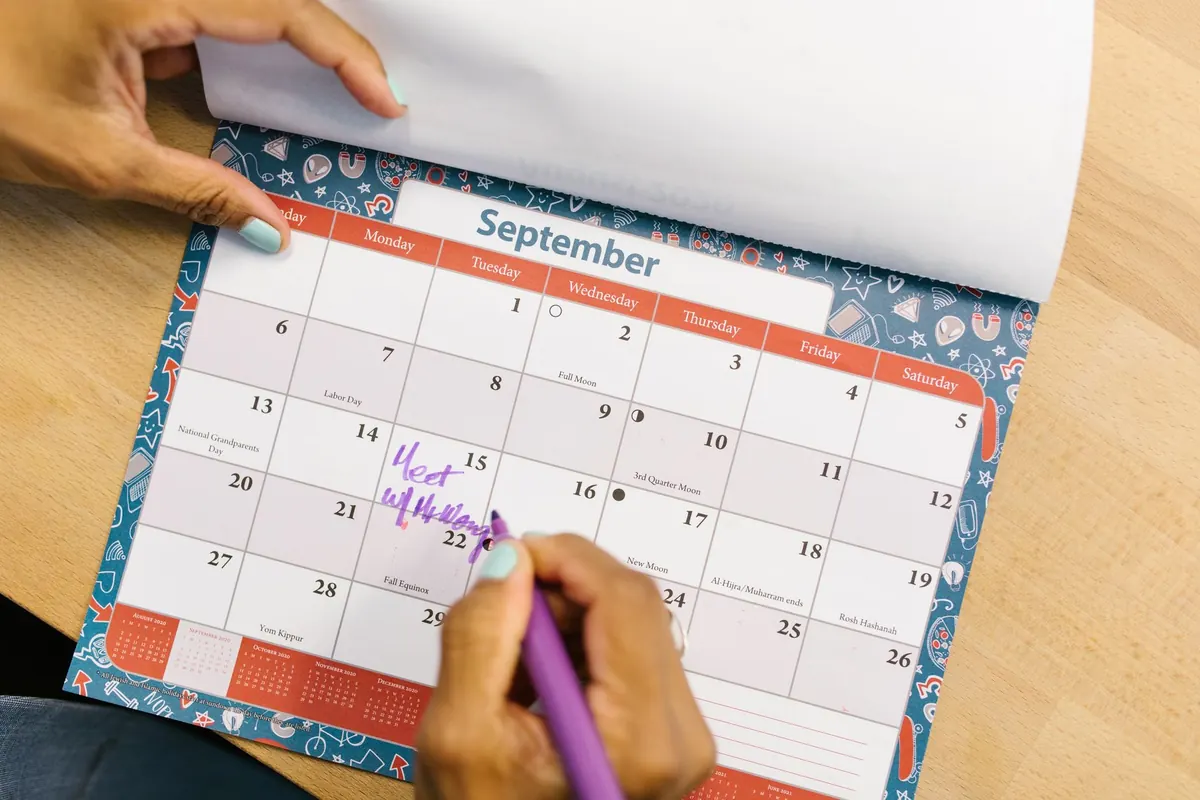
Pick one week in early autumn, or whenever the season starts where you live, to review your household plan. Put a reminder on the calendar. The goal is not a perfect schedule; it is a short list of things you can do once and then maintain.
Start with vaccination. Ask a doctor, nurse, or pharmacist which seasonal vaccines are appropriate for you and the people you care for. Timing matters, and so do age, health conditions, allergies, and pregnancy. If you are unsure, say so plainly: “What should we consider for our household?” A clinician can help you weigh the options. Do not rely on a friend’s advice or a social media post for a decision this personal.
Make the first conversation practical
Bring a simple list: names, ages, long-term conditions, medications, and any previous reactions to vaccines. Ask what to expect afterward and when to call if something seems unusual. For caregivers, ask whether your own vaccination and health status should change how you support someone at higher risk. Write down the answers in one place, such as a note on your phone or a sheet inside a kitchen drawer.
Build a Home Kit You Will Actually Use
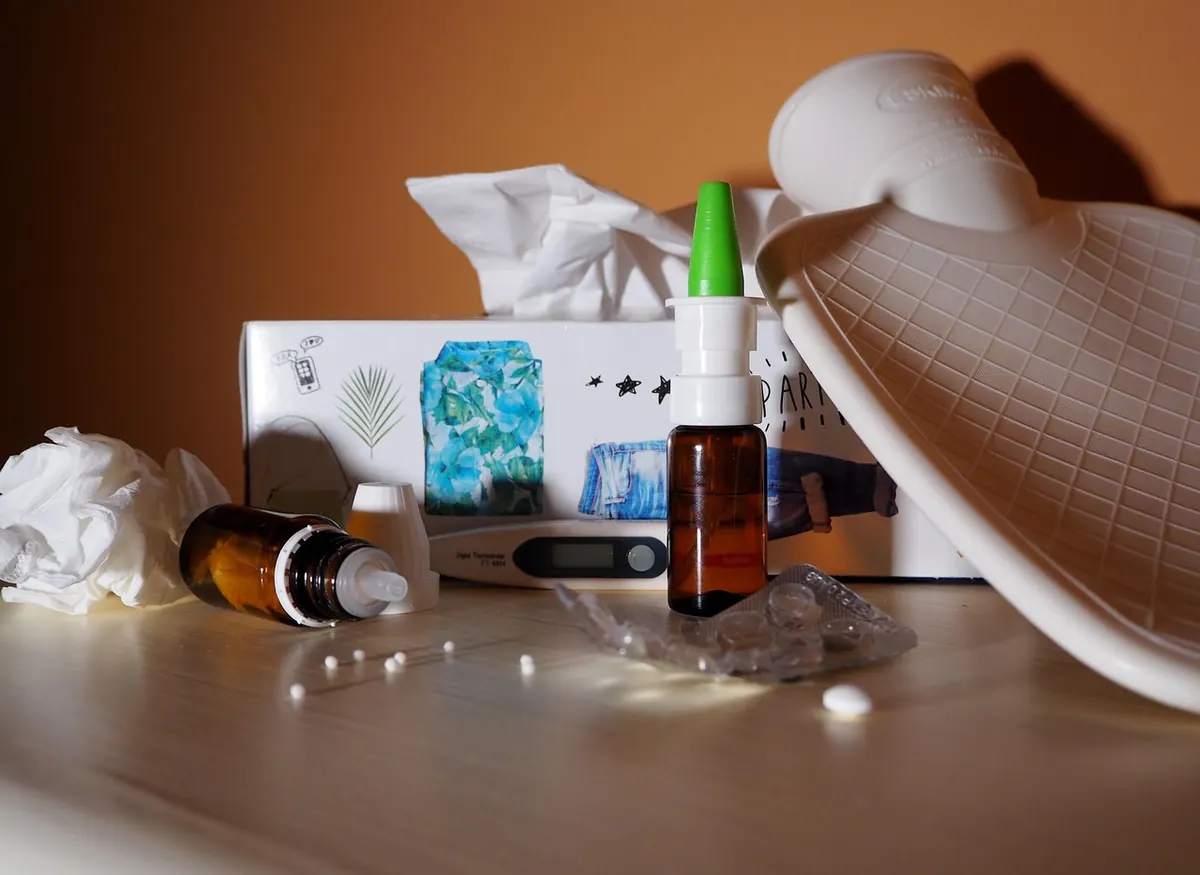
A useful kit is small enough to check and organized enough to find. You do not need a dedicated closet. A plastic bin on a shelf works. Include items you will reach for at 2 a.m. without thinking.
- A working thermometer and spare batteries.
- Fever and pain medicine appropriate for each person in the household, kept in original packaging. Check labels carefully and avoid combining products with the same active ingredient.
- Tissues, a small rubbish bag, hand soap, and alcohol-based hand rub.
- Oral rehydration solution or simple drinks that appeal to someone with a sore throat or low appetite.
- Easy foods: crackers, soup, rice, bananas, yogurt, or whatever your household actually eats when unwell.
- A few masks, cleaning cloths, and a notebook or note app for symptoms, temperatures, and medication times.
- A printed contact list: family, clinician, pharmacy, and a nearby urgent care option.
Check expiry dates once a season. Replace what is missing. Keep medicines out of reach of children and away from heat and moisture. If you care for someone with a specific condition, ask their clinician what belongs in the kit; general supplies are a starting point, not a prescription.
Make Hygiene a Default, Not a Project
Hygiene works best when it is boring and repeatable. Put hand soap at the kitchen sink and in the bathroom. Keep hand rub near the front door. Wash hands after coming home, before eating, after using the bathroom, and after blowing a nose or helping someone else. A quick scrub with soap and water is enough for ordinary routines; use alcohol-based rub when soap and water are not available.
Cover coughs and sneezes with a tissue or an elbow, then wash hands. Clean high-touch surfaces such as handles, light switches, phones, and remote controls when someone in the house is unwell. Do not share cups, towels, or utensils without washing them first. Open a window for a few minutes a day when weather allows; fresh air is a simple way to reduce stale indoor air.
Keep the rules simple enough to remember
If a household member is at higher risk, consider wearing a mask when you are close to them during the first days of illness, especially if you are the one with symptoms. A mask is not a guarantee, but it is one more layer. The point is not to create a hospital-like home. The point is to reduce the number of chances for germs to move from hands to face to shared surfaces.
Protect Rest, Fluids, and Recovery Time
Rest is not a reward for finishing everything else. During a cold or flu, rest is part of recovery. Set up a quiet space with water, tissues, a charger, and a way to call for help. Keep the room dim but not dark. If someone is sleeping a lot, let them sleep, but check in regularly.
Offer fluids often in small amounts rather than one large glass. Warm drinks can soothe a sore throat; cold drinks can be easier when someone feels feverish. Food matters less on the worst days. Offer simple options and do not push a heavy meal. For children, watch for fewer wet nappies or less urination than usual, and ask a clinician if you are concerned.
For the caregiver
You cannot pour from an empty cup, and you also cannot care well if you are exhausted. Take turns with another adult if possible. Set a timer for your own meals and water. Keep a simple symptom log so you do not have to remember every temperature and dose. If you start to feel unwell, reduce contact with the person you care for and ask for backup early.
Know When to Seek Medical Advice
Most colds and flu-like illnesses can be managed at home with rest, fluids, and symptom relief. Some situations need professional advice. Do not wait for a perfect list of symptoms before calling; trust your sense that something is wrong.
- Difficulty breathing, shortness of breath, or chest pain or pressure.
- Confusion, unusual drowsiness, fainting, or a seizure.
- Signs of dehydration: dizziness, very little urine, dry mouth, or no tears when crying.
- A fever in a young infant, especially under three months, or a fever that keeps returning or worsens.
- Symptoms that improve and then get worse, or a severe headache, stiff neck, or rash that does not fade when pressed.
- Any concern for someone with a long-term condition, a weakened immune system, or pregnancy.
This guide is general information, not medical advice. If you are unsure about a symptom, medicine, or vaccine, contact a qualified health professional. In an emergency, call your local emergency number.
Set Up Caregiver Backup Before You Need It
Caregiving is easier when you are not recruiting help in the middle of the night. Choose one or two people who could step in for a few hours. Ask them in advance, not during a crisis. Share what they would need to know: medications, allergies, routines, and how to reach the clinician.
Write a five-minute handover note. Include the person’s name, date of birth, main health conditions, medicines and times, emergency contacts, and any signed permissions the clinician requires. Keep it in the same place as the home kit. If the person you care for has memory loss or communication difficulties, include calming strategies and known triggers.
Set boundaries too. A backup person can bring groceries, sit with the patient while you sleep, or take a shift so you can shower and eat. They do not need to do everything. The goal is a small, reliable circle, not a large audience.
Keep the Plan Light Enough to Use
Preparedness should make the season calmer,
Photo: flockine / Pixabay