Navigating English-Speaking Care in Italy as a Patient
A practical guide for English-speaking patients in Italy: choosing the right care pathway, finding doctors who speak English, preparing documents, using pharmacies and handling...
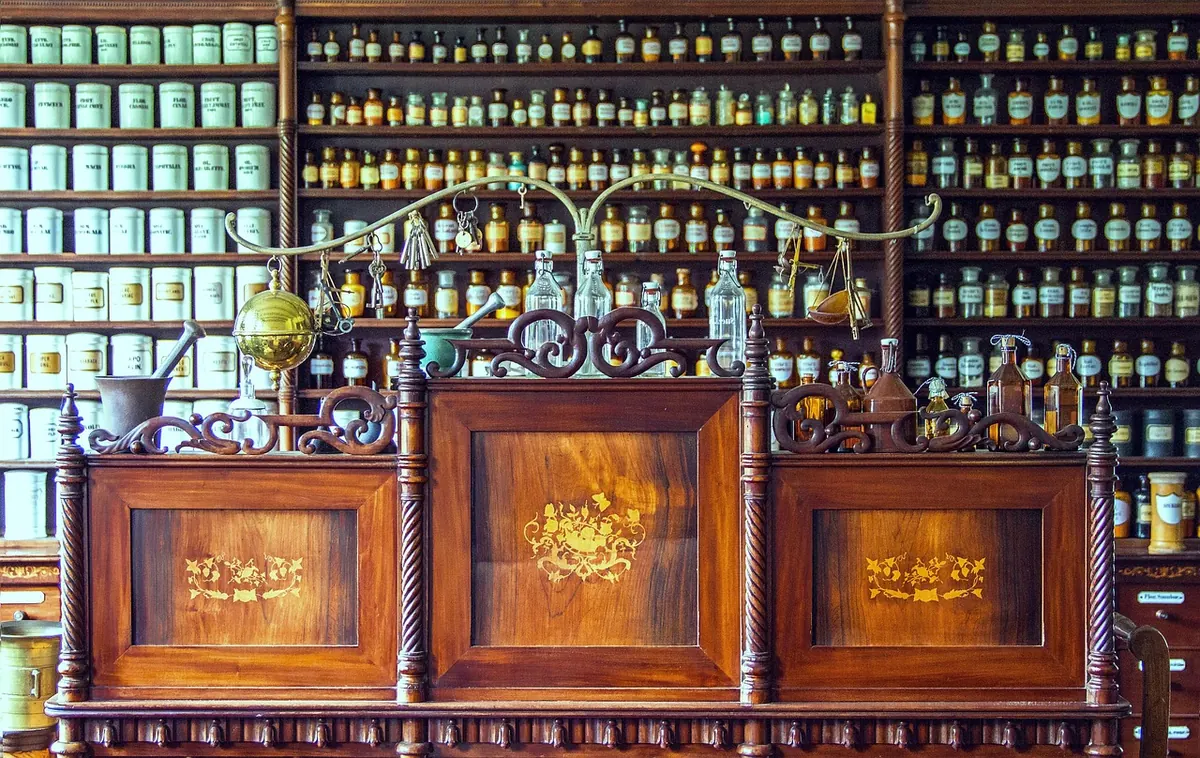
Italian healthcare can be very good, and often surprisingly affordable — but the first appointment rarely happens on your own terms. You may be handed a form with a box you don't recognise, told to call a number that only answers between eight and ten, or asked for a document you have never heard of. None of that means you are in the wrong place. It usually means you have reached one of Italy's small administrative thresholds, and that someone nearby knows how to get you over it. Here is a practical map: which door to knock on, what to carry, and how to keep a conversation with a doctor from turning into guesswork.
Know Which Door to Knock On
Italy's National Health Service (Servizio Sanitario Nazionale, or SSN) is run region by region, so details differ between Lombardy, Lazio, Puglia and elsewhere. The order of doors, though, stays fairly consistent.
For anything non-urgent, your first stop is a family doctor — the medico di medicina generale — or, for children, a pediatra di libera scelta. If you are registered with the SSN, you choose one at your local health district (distretto sanitario) and you can change later if you move or the relationship doesn't work. If you are here short-term with an EHIC or GHIC card, or with private insurance, you may go directly to a private practice or to a doctor's private clinic hours inside a public hospital (called intramoenia). That route costs money, but it is quicker and often easier to arrange in English.
Emergencies are separate. In a genuine emergency, call 112, the single European emergency number, and describe what has happened; the operator will route you to an ambulance or the right service. Accident and emergency (pronto soccorso) works on clinical urgency, not arrival order, so a sprained ankle and chest pain do not wait in the same queue. Registration rules, coverage and exemptions depend on your status and region, and they do change — confirm your own situation at the distretto sanitario rather than relying on what a friend was told two years ago.
Finding a Doctor Who Speaks English
Ask directly rather than hoping. When you phone a practice, the phrase “C'è qualcuno che parla inglese?” will get you a yes, a no, or a time to call back. Most receptionists appreciate the question far more than a consultation that stalls halfway through.
Places worth trying:
- The international office or sportello stranieri at your local health authority or hospital. Ask specifically whether they have an interpreting or cultural mediation service, and which departments actually use it.
- The provincial Ordine dei Medici (the doctors' register). It confirms that a clinician is properly registered, and some listings note languages spoken.
- Private polyclinics in larger cities, which often advertise English-speaking staff openly. Check the doctor's own page rather than a directory that scraped it.
- Expat groups, school parent chats, church communities. A recommendation for a GP who explains things properly beats any online rating.
- Your embassy or consulate, which usually keeps a list of local English-speaking doctors — mostly private.
- Teaching hospitals in university cities, where younger staff often have solid English.
Hospitals cannot always produce an interpreter on demand. Bringing your own person — a colleague, a neighbour, a friend with decent Italian — is the most reliable solution, and it is entirely normal to do so. Ask them to take notes rather than join the conversation; two sets of ears are better than one.
The Paperwork That Makes Appointments Go Smoothly
Italian appointments move quickly once the administration is settled and grind to a halt when it isn't. Keep a single folder, paper and digital:
- Your tessera sanitaria (health card), codice fiscale and photo ID.
- Your EHIC or GHIC card, or your insurance policy with the policy number, emergency phone line and any pre-authorisation rules.
- A medication list using active ingredient names, not brand names, with doses and times.
- Allergies, past surgeries, vaccination record, recent blood tests and imaging — bring discs or a USB stick if you have scans.
- Any referral or discharge letter. A one-page Italian summary helps enormously; a sworn translation is not needed for an ordinary visit.
You will be asked to sign consent forms written in Italian. Ask what you are signing before you sign it, and ask for written instructions afterwards: what to take, when to return, which symptoms should send you straight to pronto soccorso.
Pharmacies: The Most Accessible Front Desk in Italy
A farmacia, marked by a green cross, is often the fastest route to advice. Pharmacists are trained to handle minor problems, recommend over-the-counter treatment, and tell you honestly when to see a doctor instead.
Many SSN prescriptions are now electronic: you receive a receipt with an NRE number rather than a paper script, and you simply give that number at the counter. Bring the box or a photo of it if you can — brand names differ, so learn the active ingredient. Paracetamol, for instance, is sold as Tachipirina; ibuprofen as Brufen or Moment. Saying “il principio attivo è…” saves confusion.
Opening hours vary and many pharmacies close for lunch. Night and holiday cover rotates, and the farmacia di turno is posted on pharmacy doors and listed on your comune's website. Photograph the notice when you see it; you will not want to be reading it at eleven at night with a sick child.
Out of Hours, Emergencies and Specialist Visits
For urgent problems that cannot wait until Monday but are not life-threatening, use continuità assistenziale (still widely called guardia medica). You phone, describe the problem, and are advised or visited. For anything serious — chest pain, breathing difficulty, heavy bleeding, sudden confusion — call 112 and follow the operator's instructions rather than driving yourself.
At pronto soccorso, take ID, your health card and your medication list, and tell the triage nurse early if your Italian is limited. Expect long waits for minor codes; bring water, a snack and a charged phone.
Specialist appointments are booked through the regional booking centre (CUP), by phone, online, or at a desk. Ask for the first available slot and the price, and ask whether an exemption (esenzione) might apply to you — for a chronic condition, for instance, or during pregnancy. Exemption rules are technical and administered locally, so confirm them at the distretto sanitario rather than guessing. Going private is faster: ask for the written report (referto) and copies of any images before you leave.
Making Yourself Understood — and Understanding Back
Arrive with three questions, not fifteen. If a sentence passes you by, say “Non ho capito, può spiegare più lentamente?” rather than nodding politely. Repeat the plan back in your own words, ask which warning signs should bring you back, and request the follow-up instructions in writing. A small notebook kept for health appointments — dates, names, what was prescribed — becomes a genuinely useful record within a year.
Prepare a One-Page Health Summary Before You Need It
The single most useful thing you can do as an English-speaking patient in Italy is carry a short summary in Italian and English, ready for a pharmacist, a triage nurse or a new doctor.
- Name, date of birth, codice fiscale, emergency contact.
- Ongoing conditions, past operations with approximate years.
- Medications by active ingredient, with dose and timing — and allergies in bold.
- Recent test results, plus where the originals are kept.
- Insurance details, policy number and the emergency line.
Print two copies, photograph one, and have a bilingual friend check the Italian wording. It takes twenty minutes and has saved people entire afternoons in waiting rooms. And where money, coverage or legal status is involved, get advice from your local health district or a qualified adviser: the rules are regional, they change, and a five-minute conversation beats an expensive assumption.
Photo: FotoArt-Treu / Pixabay