


How to Organize Medications and Appointments for a Family Member
A plain, repeatable system for tracking medications, refills, appointments and handovers — so the care keeps running when you are tired, busy, or off duty.
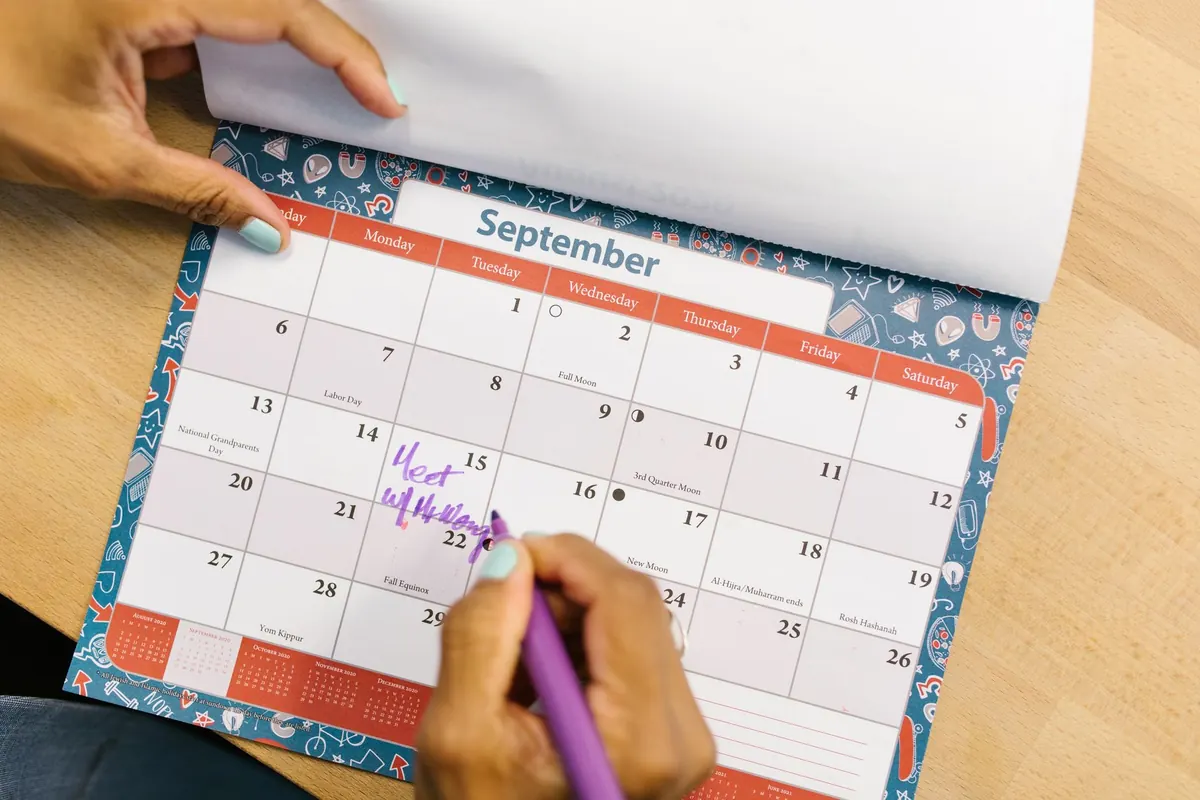
At some point, the administration of caring for someone becomes a job of its own. There is a blood pressure tablet that runs out on a Tuesday, a cardiology appointment that was moved to a different building, a note from the physiotherapist you meant to pass on, and a relative asking a perfectly reasonable question: what is happening this week? None of it is complicated. All of it, held in one person's head, is exhausting.
The answer is not a better app or a colour-coded binder from a stationery shop. It is a small system you can keep running on a tired evening, one that another person could pick up without calling you first. Here is what that looks like in practice.
Pick one place and let it be slightly imperfect
Most caregiving chaos comes from having the information in four places at once: a paper diary, a phone calendar, a pharmacy bag, and your memory. Choose one home for appointments and one home for medication information, then be stubborn about it. A shared digital calendar plus a printed sheet on the fridge is enough for most families. If the person you care for prefers paper, keep paper — but keep only one version of it, and replace the sheet rather than adding a second one beside it.
The rule that makes this work is blunt: if it is not written down, it does not exist. That applies to the appointment in three weeks and to the fact that the district nurse said to leave the front door unlocked on Thursday.
The medication list that survives a bad week
Ask three family members what your mother takes and you will get three different answers. A good list settles that, and it should be readable by someone who is frightened and in a hurry. For each medicine, record:
- Name as it appears on the box, plus the generic name if there is one.
- Strength and form — 5 mg tablet, 10 ml liquid, patch.
- What it is for, in plain words: blood pressure, thyroid, pain, sleep.
- Dose and timing, including whether it is taken with food.
- Who prescribed it, and when it started.
- What to do about a missed dose, exactly as the prescriber or pharmacist told you. Do not invent this part.
Take photographs of the actual boxes and keep them in the same folder as the list. In a pharmacy queue or an emergency department, a photo of the box answers questions faster than a description of "the small white one". Keep medicines in their original packaging where possible; a weekly pill organiser is useful for sorting, but the box is what carries the dose, the batch number and the instructions.
Once a year, or whenever a new specialist joins the picture, ask a pharmacist to review the full list for duplicates and interactions. This is general organisational advice rather than medical guidance — for any change to a dose, a missed dose, or a new symptom after starting something, speak to the prescriber or pharmacist.
Refill reminders that follow the pharmacy, not your memory
Most people set a reminder on the day the box runs out, which is already too late. Count backwards instead. If a pack lasts 28 days, put the reminder at day 21. If the prescription needs a doctor's signature before the pharmacy will dispense it, add another week on top.
Then anchor the task to a day rather than a feeling. "Every second Wednesday, check the cupboard and order what is low" is a system. "Order things when they look empty" is a hope. A few practical habits help:
- Keep a two-week buffer of anything stable and long-term, if your prescriber and pharmacist are happy with that.
- Ask the pharmacy whether they offer repeat dispensing or a monitored dosage pack — many do, and it removes a weekly sorting job.
- Avoid refills that land on a public holiday or a Sunday. Move the order a few days earlier in the month before.
- Write the collection date on the calendar, not just the order date, and note who is collecting.
A calendar with two kinds of entries
Appointments and tasks are different animals and should look different. An appointment is a fixed point with travel attached. A task is something you do at some point that day. Mixing them means you turn up at the clinic without the referral letter.
For appointments, put the boring details in the entry itself: the address and which entrance, how long the journey takes, whether the person needs to fast, whether a referral letter or insurance card is required, and who is driving. Add a line for the day before: charge the phone, print the letter, check the bus route. Ten minutes of preparation prevents the specific kind of bad morning where you arrive flustered and forget the one question you wanted to ask.
Write the question down before you go. "Is the dizziness likely to be the new tablet, and what should we watch for?" is a far better use of a seven-minute consultation than trying to remember it in the corridor.
Shared notes: the log that stops you repeating yourself
Keep one running note, shared with everyone who helps, and write in it for two minutes at the end of the day. Three lines is plenty: what happened, what changed, who said what. "Tuesday. District nurse came, dressing changed, next visit Friday morning. GP moved the review to the 14th. Mum slept badly, complained of cold feet."
This log earns its keep in three situations. It gives the GP a pattern instead of a vague impression. It stops two siblings from making the same phone call. And it lets you notice small changes early — appetite, mood, a new ache — before they become the reason for an urgent appointment. Record what you observe, not what you conclude; leave the diagnosis to the people trained for it.
A handover note is not evidence that you are replaceable. It is what allows you to take a night off without the phone ringing.
Handing over to a backup caregiver
Assume the person stepping in knows nothing about the house, the routine, or the peculiarities of the situation. Write one page and keep it where they will find it — printed, on the fridge, next to the medication list.
- Contacts: GP, pharmacy, the main family numbers, and the neighbour with a spare key.
- Medications: the list, plus where the pill organiser lives and what to do if a dose is missed.
- The day's shape: meals, rest, the walk, the programme on television that must not be interrupted.
- What is normal: "She is quiet in the morning and cheerful after lunch."
- What is not normal: the specific things that mean "call me" or "call the doctor".
- Practicalities: alarm code, wifi, where the tea is kept, how the shower works.
Then make the five-minute phone call before they start, and stay reachable for the first hour. Most handover disasters are small logistics, not medical ones.
Keep it small enough to keep
A system that needs thirty minutes a day will collapse in the first bad week. Aim for two minutes in the evening to update the log and glance at tomorrow, plus ten minutes a week to check medications, refills and the coming appointments. That is the whole maintenance cost.
If you do nothing else, do these three things: one medication list with photos, refill reminders set three weeks in rather than at the end, and a shared note that another adult could read and act on. Everything else is decoration. And when the load gets heavy — because it will, in waves — it is entirely reasonable to ask the GP surgery, the pharmacist or a carers' service for help with the organisational side. You are not expected to hold all of it alone.
Photo: RDNE Stock project / Pexels