

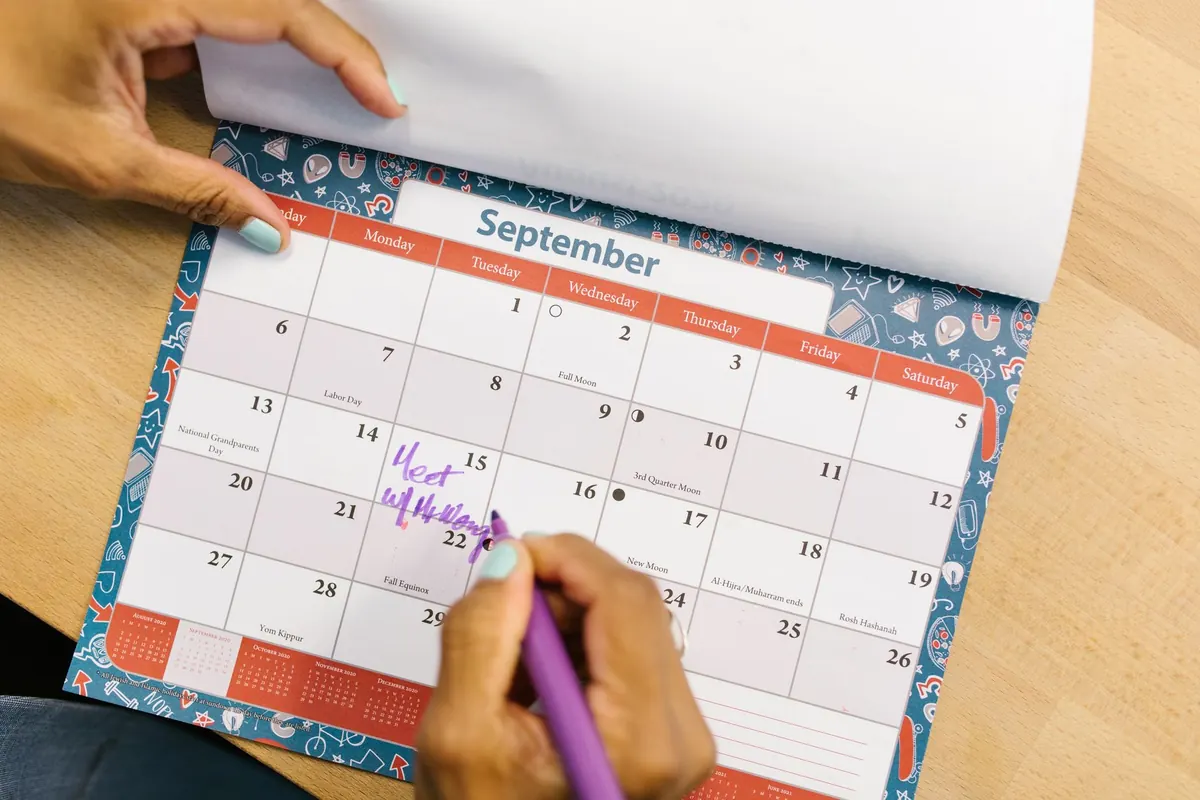

How to Prepare for a Specialist Appointment: A Step-by-Step Checklist
A practical, step-by-step checklist to help you walk into a specialist appointment with the right records, an accurate medication list, focused questions, and someone beside you.
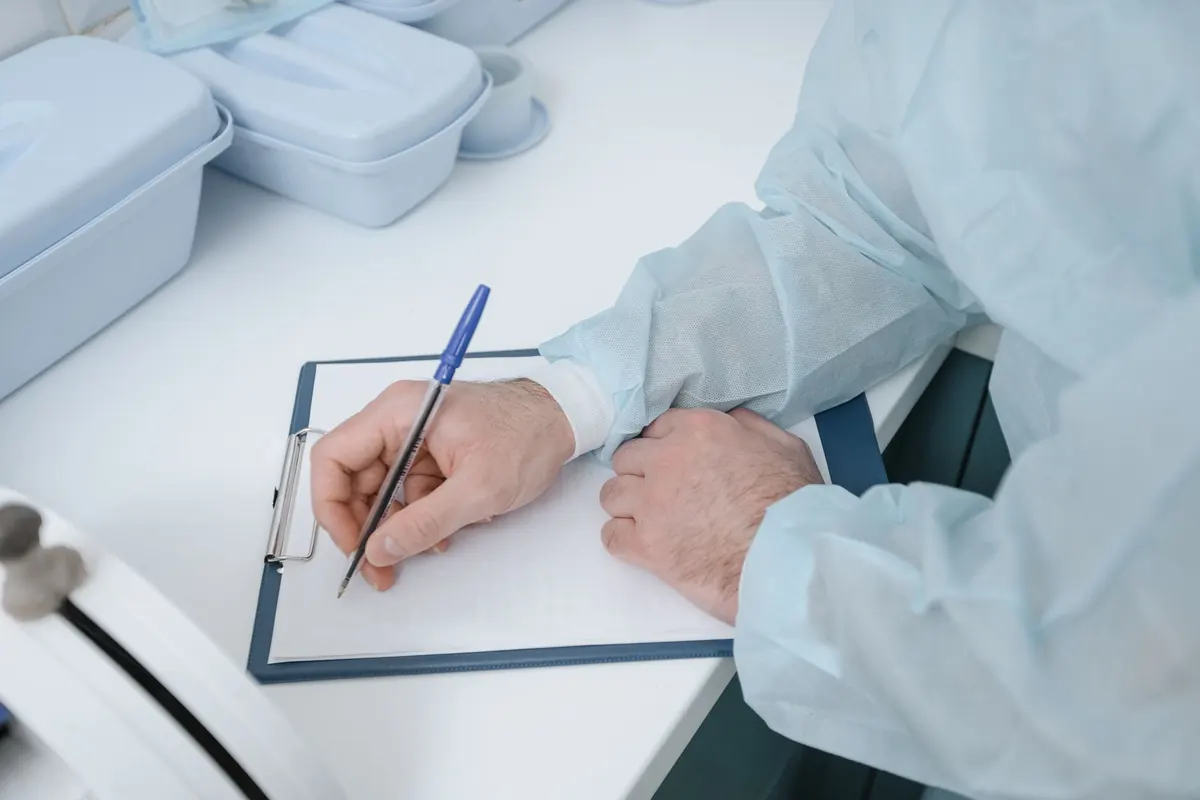
Most specialist appointments are short. Fifteen or twenty minutes is common, and by the time you have found a parking space, filled in a form and answered the same three questions at reception, a good chunk of that time is gone. The visit is not where the work happens — it is where the work gets delivered. What you carry into the room decides whether those minutes are useful.
Preparation is not about being a demanding patient. It is about being a clear one. Below is a checklist you can work through in the week before the appointment, roughly in the order that makes sense.
Start With the Reason You Were Sent
Specialists work from a referral and a question. If you do not know what that question is, ask your referring doctor's office before the visit. Sometimes it is obvious: an unexplained change on a scan, pain that has not settled, a diagnosis that needs confirming. Sometimes it is less so, and you only find out at the appointment that the specialist was asked about something entirely different from what has been worrying you.
Write one sentence for yourself, in plain language: "I am here because my knee has been swelling after short walks since March, and my GP wants to know whether it is wear and tear or something inflammatory." That sentence will keep you on track if the conversation wanders.
Gather the Records That Actually Matter
Records are the difference between a specialist guessing and a specialist knowing. Most clinics will have received something in advance, but do not rely on it. Bring your own copies.
- The referral letter, if you have been given one.
- Recent test results — blood work, scans, biopsies — including the written reports, not just the images.
- Discharge summaries from any hospital stay or emergency visit in the past year or two.
- Letters from other specialists who have already looked at this problem.
- Whatever the clinic asks for on arrival: identification, insurance details, a completed questionnaire.
How to Organise It
One folder, paper or digital, ordered by date. At the front, put a single page you have written yourself: a short timeline of what happened when, what was found, and what was tried. A specialist can read that page in thirty seconds and understand the shape of your case before you say a word.
Keep the originals at home and bring copies. If you have a patient portal, check that the documents are actually attached rather than just listed. Where possible, ask the referring office to send records ahead of time as well — the appointment goes faster when the specialist has already read the file.
Write Down Every Medication
Verbal lists fail under pressure. Everyone forgets something. Type it out, print it, and keep a copy on your phone.
- Prescription medicines: the name as written, the dose, how often, how long you have taken it, and who prescribed it.
- Over-the-counter medicines: painkillers, antihistamines, indigestion remedies, sleep aids — including how often you take them, not just that you sometimes do.
- Supplements and herbal products: these can interact with treatment, and "it's only natural" does not mean it is irrelevant.
- Allergies and bad reactions: the medicine or substance, and exactly what happened — a rash, swelling, nausea, something worse.
A pharmacy printout is a good starting point, but check it against what you actually take; it will not list the things you buy elsewhere. If you use a pill organiser, take a photo of a filled week and bring that too.
Prepare Your Questions Before You Arrive
Questions tend to evaporate the moment a specialist says something unexpected. Write them down, in order of importance, and put the three that matter most at the top. If you run out of time, at least those three get answered.
Useful questions usually fall into three groups:
- Understanding: What do you think is going on? What else could it be? Which of my results point you that way?
- Options: What are the possible treatments, including waiting and watching? What are the likely benefits and the drawbacks of each?
- Next steps: What tests or appointments come next, who arranges them, and when should I expect to hear something?
Add one or two personal ones. "Will this affect my ability to work?" "What should I watch for that would mean calling you sooner?" These are not awkward questions; they are the ones specialists hear all day, and they usually have a ready answer.
Two small habits help. Hand a copy of your question list to the clinician at the start, so they know what is coming. And if you know you struggle to retain spoken information, ask whether you may record the conversation on your phone — most clinicians will agree, but ask first.
Arrange a Companion
It is normal to forget half of what is said, especially when something worrying is being discussed. A second person solves most of that. They can take notes while you listen, hold the question you are too polite to ask, and remember the instructions about the new prescription.
Brief them beforehand. Show them your question list. Agree who speaks — usually the patient, with the companion stepping in only when something has been missed. If you are having sedation or a procedure that may leave you groggy, you may be required to have someone with you for the journey home, so plan that in advance.
The Day Before and the Day Of
- Confirm the time, the address, where to park or which entrance to use, and whether you need to arrive early.
- Check any instructions about eating, drinking or pausing medication, and follow them exactly.
- Pack the folder, the medication list, your questions, glasses, hearing aids and a pen.
- Charge your phone and confirm your transport — including the return trip.
- Leave more time than you think you need. Arriving flustered is a poor start.
After the Appointment
Before you leave the building, write down three things: what was found, what happens next, and who does it. Do this in the car or on a bench outside, while it is fresh. Then book any follow-up at reception rather than "calling later", and ask how to get a copy of the visit summary or clinic letter.
If You Only Have Ten Minutes
Write the reason for the visit in one sentence. Print your medication list. Write your top three questions. That trio does most of the work, and it fits on one page. Everything else here is refinement.
One last note: this is general preparation guidance, not medical advice. If you are unsure whether to stop a medication before a procedure, how to interpret a result, or what a symptom means, ask your own care team rather than working it out from a checklist. That is exactly what they are there for.
Photo: SHVETS production / Pexels