


What to Expect During Your First Hospital Stay: A Patient Explainer
A practical guide to your first hospital admission — paperwork and checks, ward routines, visitor rules, daily observations, and how to plan for discharge from day one.
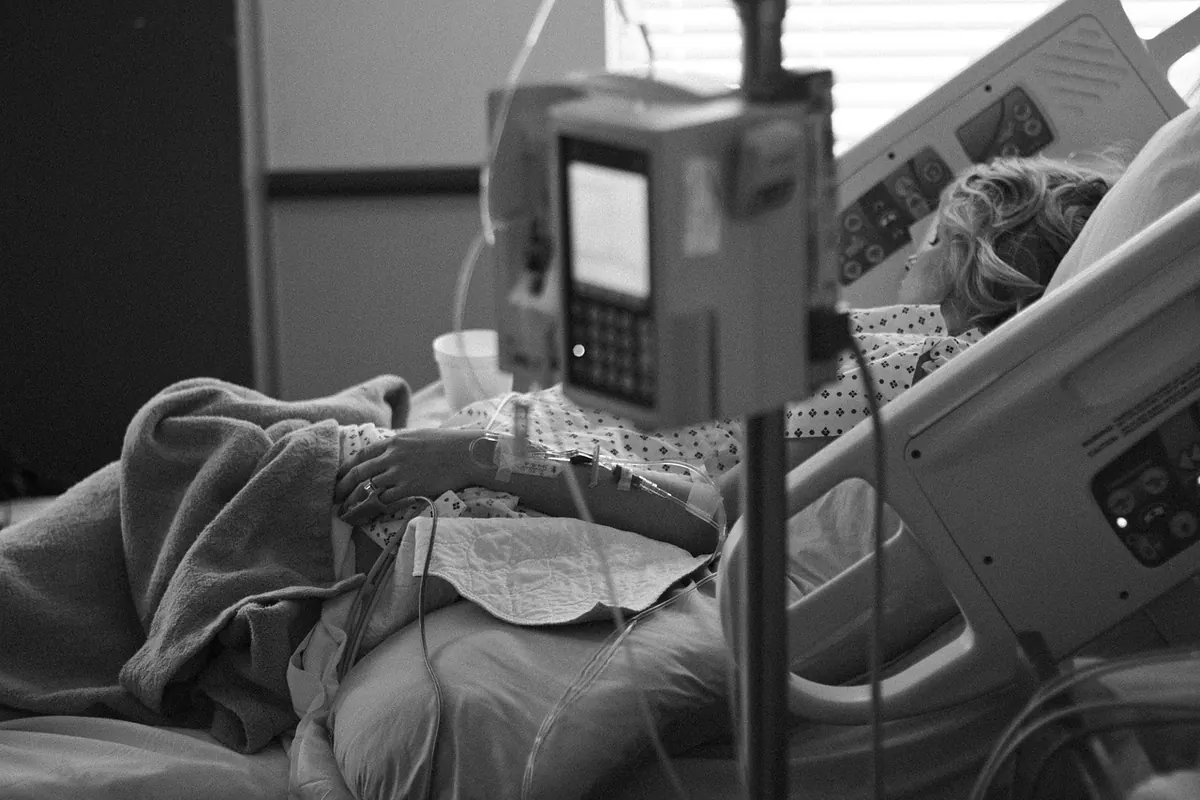
Most people picture their first hospital admission as one dramatic event. In reality it is a string of small, ordinary steps: a form at a reception desk, a plastic identity band, a bed chosen for you, a nurse asking a question that three colleagues have already asked. Knowing the shape of those steps makes the whole experience feel less like something happening to you and more like something you can take part in.
Here is what usually happens on an adult inpatient ward, how the days tend to run, and what to sort out early — including the day you go home.
Admission day: paperwork, checks and finding your bed
Expect the first few hours to be administrative. You will usually check in at a reception or admissions desk, show identification and your referral or admission letter, and confirm insurance or health-card details. Then comes the wait. Wards admit patients around procedures, emergencies and staff availability, so a "9am admission" can mean a bed at 2pm. Bring something to read and a charged phone.
Once you reach the ward, a nurse will normally take you through an admission assessment: allergies, the medicines you take, previous operations, how you manage at home, who to contact in an emergency. You may have blood pressure, pulse, temperature, oxygen saturation, weight and height recorded, and depending on the ward, blood tests or swabs. If a procedure is planned, you will be asked to sign a consent form — read it, and ask what it covers if anything is unclear.
You will be given an identity band. Check that your name and date of birth are spelled correctly, and say so immediately if they are not. Ask for a tour of the essentials: the call bell, the bathroom, drinking water, your locker, how the lights and bed controls work, and where visitors should go.
What to bring, what to leave at home
- Bring: comfortable, loose clothing; slippers with a grip sole; toiletries and a towel if the ward does not supply them; a phone charger with an extra-long cable; glasses or hearing aids with their cases; earplugs and an eye mask; a notebook and pen.
- Bring on paper: a list of your medicines, doses and times, plus allergies and the name and number of your next of kin.
- Leave at home: jewellery, large sums of cash, irreplaceable items and anything you would be upset to lose. Hospitals are busy places and staff cannot guarantee the security of valuables.
A word about medicines
Tell the admitting nurse about everything you take, including the things you might not think of as medicine: supplements, herbal remedies, inhalers, patches, eye drops, creams and over-the-counter painkillers. Do not take your own supply from home without checking first. Hospitals usually supply and record what you are given, and taking both your own tablets and the ward's is an easy way to double a dose by accident.
The rhythm of a ward day
Wards run on routine, and the routine is built around the sickest patients rather than around sleep. Mornings are busy: blood samples are often taken early, meals arrive at set times, and doctors do their main ward round before or during the morning. Nurses hand over care at shift changes, usually once in the morning and once in the evening, which is why you may see staff clustered at a desk with notes for twenty minutes. Nights are quieter but not silent — observations still happen, and machines still beep.
If you are a light sleeper, earplugs are the single most useful thing in your bag. Ask when the quiet periods are likely to be, and when would be a good moment to ask questions.
Daily checks you can expect
These are not busywork. Individual numbers matter less than the pattern they make over hours and days.
- Observations: blood pressure, pulse, temperature, breathing rate and oxygen saturation, taken at intervals that depend on how unwell you are — from hourly to once or twice a day.
- Blood tests: often early morning, so results are ready for the ward round.
- Medication rounds: staff will bring medicines at set times and watch you take them.
- Pain and symptom checks: you will be asked to score your pain. Be honest rather than brave; the score is how the team decides whether to change your plan.
- Fluid balance and weight: on some wards you will be asked to record what you drink and how much urine you pass.
- Skin, wound and mobility checks: pressure areas, dressings, and whether you can safely get to the bathroom.
You are allowed to ask what the numbers are and why they are being measured. "What are you looking for in these observations?" is a perfectly reasonable question.
Visitors: ask before you invite anyone
Visiting hours vary by ward and by hospital, and the sign by the entrance is only a rough guide. The nurse in charge is the authority. Intensive care, high-dependency, oncology and transplant wards often have stricter rules about numbers, timings and who may come in, and some ask visitors to call ahead.
Practical etiquette helps everyone: two visitors at a time unless told otherwise, use the hand gel, stay away if you have a cough, cold or stomach upset, keep phones on silent, and skip strongly scented food or perfume. Ask first about children. Pick one family member or friend to be the main point of contact who shares updates with everyone else — it saves you telling the same story a dozen times, and it saves the nurses repeating information at the desk. Ask whether the ward can pass on phone messages, and whether staff will call a relative if you would like them to.
How to get clear answers
Good communication on a ward is mostly about timing and preparation. Keep a running list of questions in a notebook or phone note and add to it as things occur to you, rather than trying to remember everything when a doctor is standing at the end of the bed.
Ask for names and roles: who is the doctor in charge of your care today, who is your named nurse, who to speak to about a prescription query. Use a repeat-back to confirm anything important — "So the scan is tomorrow morning, and I can eat until midnight tonight. Is that right?" Ask what happens next and roughly when. If pain, breathlessness, dizziness or any other symptom gets worse, say so at once rather than waiting for the next round. Nothing on a ward is considered a nuisance if it is new.
This is general information, not medical advice for your situation. Your own care team's instructions should always come first, and anything specific to your condition or medication is a question for them.
Discharge planning starts on day one
The most useful question you can ask in the first 48 hours is: "What needs to happen before I can go home?" The answer tells you which tests are pending, whether physiotherapy or a specialist review is needed, and what has to be arranged. Treat an expected length of stay as a range, not a promise — delays are common and rarely anyone's fault.
Before you leave, make sure you have:
- Written instructions, including any medication changes, doses and how long to take each one.
- Follow-up appointments, or clear information on how they will be arranged.
- A copy of your discharge summary or medication list, if the hospital provides one.
- Phone numbers: the ward, the out-of-hours service, your family doctor.
- Clear guidance on warning signs — what would mean calling for help or coming back.
- Practicalities sorted: who is collecting you, keys, food in the house, a work certificate if you need one, and any equipment such as crutches or dressings.
If anything about your medicines is unclear, ask to speak to a pharmacist before you leave the building. Going through each box once, at the bedside, is far easier than working it out at home at midnight.
A short checklist for your first 24 hours
- Check your identity band and say straight away if anything on it is wrong.
- Give the admitting nurse your full medication list, including supplements and anything bought over the counter.
- Ask who is in charge of your care today and when the ward round is likely to happen.
- Write down your three most important questions and keep them in sight.
- Ask what needs to happen before discharge, and who to call if something changes.
Hospitals are unfamiliar by design: strange sounds, strange timings, other people's routines running your day. Learn the rhythm in the first day or two — when the rounds happen, when the quiet stretches fall, who to ask for what — and the rest of the stay becomes much easier to handle. Take the earplugs. Ask the questions. And if something does not feel right, keep saying so until someone explains it.
Photo: Parentingupstream / Pixabay